

Our Research
Read the latest research and findings from our team of experts and collaborators across the globe

Tracing how local requests for policing support in Honiara, counter-terror assistance in Bamako, or cyber-security training in Manila draw different constellations of external actors, we illuminate a patchwork security order in which China, the United States, regional bodies and private contractors all compete—and sometimes cooperate—far outside formal alliances.
Multi-Actor Security Networks and Global Order
CEGA Blog | Reconceptualizing the State: West Africa Workshop on Multi-actor Security Networks & Global Order
CEGA Blog | New Threats, Ad-hoc Networks, and Strategic Flexibility: Security Insights from Southeast Asia
CEGA Blog | Pacific for Whom? Order Contestation in the Pacific Region
Framework Paper (forthcoming)
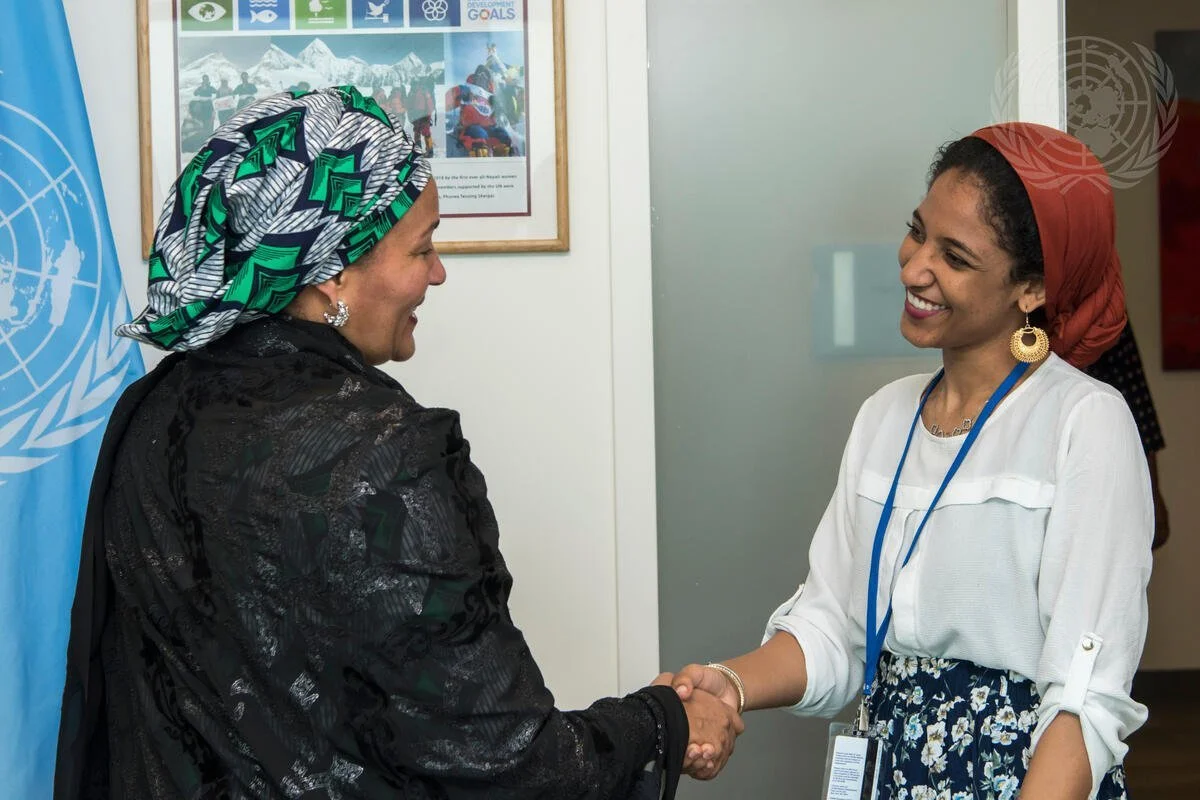
We examine how a range of domestic actors in conflict-affected countries, often referred to as “local” actors, influence the effectiveness of multilateral conflict prevention and peacebuilding efforts via formal and informal networks. It is undertaken in partnership with collaborators in Burundi, Colombia, and Sudan.
Whose Peace? How Local-Global Networks Shape Multilateral Peacebuilding Outcomes
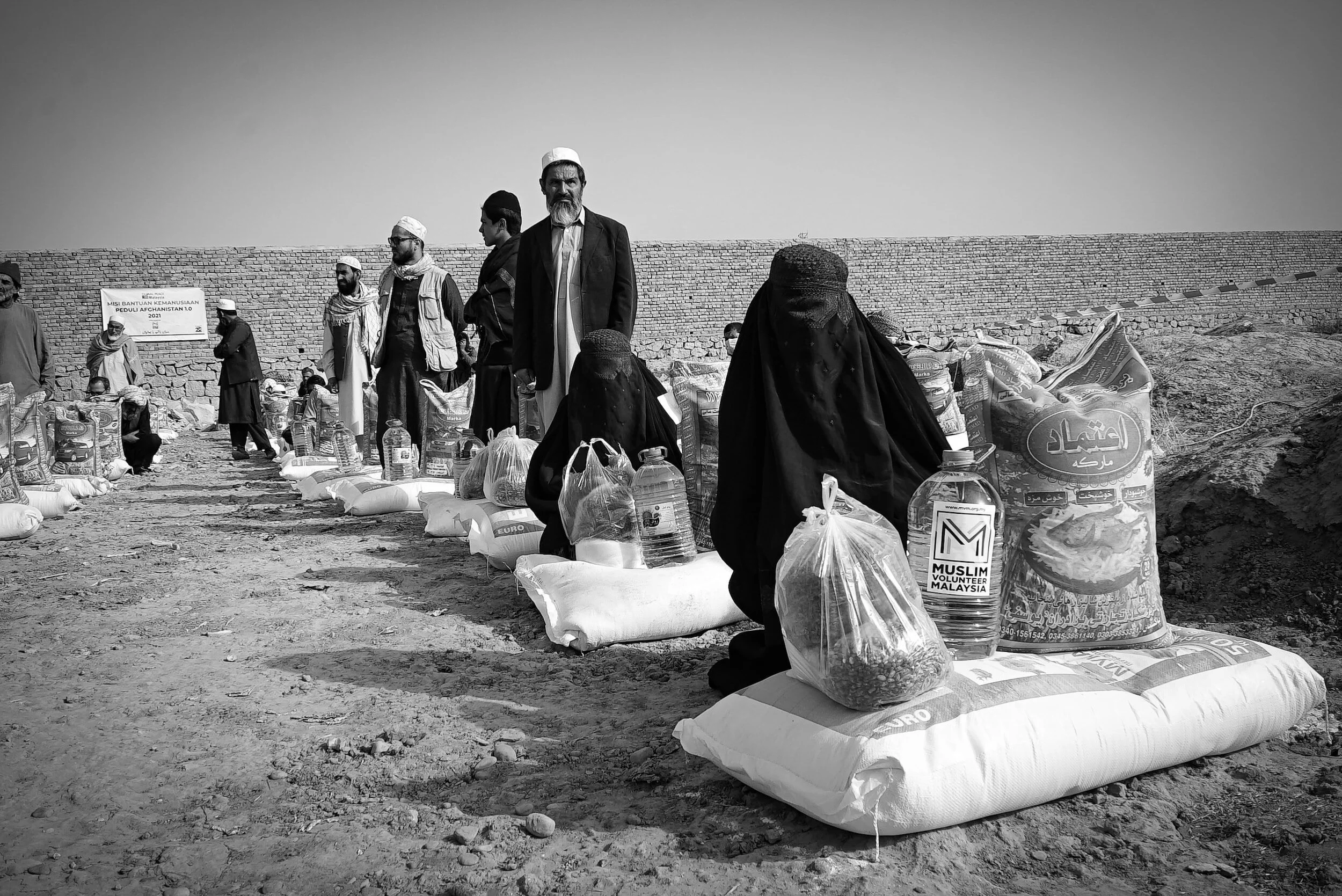
We shed light on the relationships and service provision of non-state armed groups, creating a critical tool for both the academic study of non-state governance and political violence and for policymakers and practitioners involved with stabilization and peacebuilding efforts.
Aiding People: Non-State Armed Group Service Delivery and International Aid
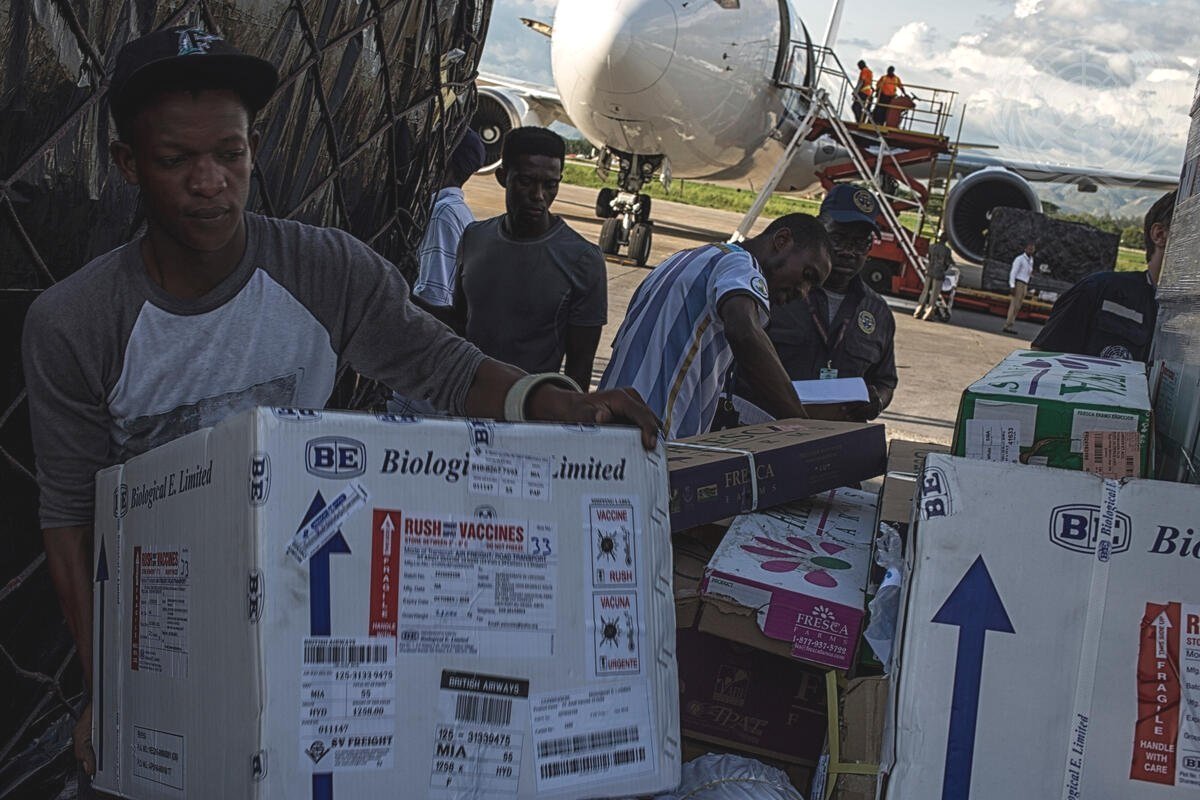
We supported a series of workshops that identified and explored pressing research questions on the role of international aid today, including (1) the changing ways in which recipient governments engage with international donors; (2) the interactions between international aid actors and non-state armed groups when providing aid and social services; (3) the practical implications of decolonizing aid, and (4) the changing nature of US foreign assistance.
The Changing Nature of International Aid

Between January and August 2021, we conducted a study on the UN Peacebuilding Fund’s support to Burundi during a time of increased uncertainty in the country and the COVID-19 pandemic. The study used a mixed-method design that integrated internal document review, expert interviews, and an embedded survey experiment with the UN, government officials, non-governmental organizations, civil society actors, and aid recipients to evaluate the effectiveness of peacebuilding aid in this challenging context.
Peacebuilding in Challenging Contexts

We increased the capacity of UN peace operation staff to monitor and evaluate the effectiveness of ongoing UN peace operations via a series of workshops between top peacekeeping scholars and UN Department of Peace Operations (DPO) staff on data gathering, sharing, and analysis.
Peace Operation Data, Analytics, and Action
Final Report | PEACE OPERATION DATA: Assessment, Analysis and Use
For all RIPIL publications, news, and more visit our ARCHIVE.